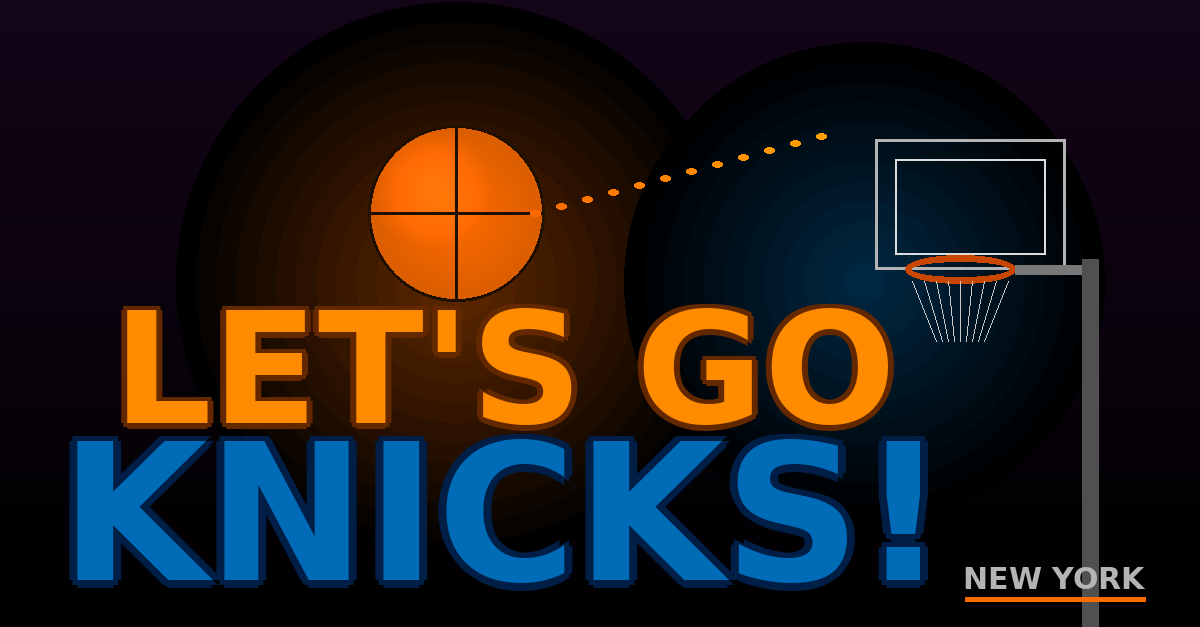

I didn’t grow up a Knicks fan. I raised one. I bought the sweatshirts, sat through the games, watched my son light up in the stands — but I was never emotionally invested. I was there for him.
Then last week, after a long day, I turned on the game. And something shifted.
I felt the roller coaster. I was googling players at 10pm. I was planning for Game 4. I wanted my own Knicks shirt.
I kept asking myself: why now? Why, at this stage of my life, did this suddenly grab me?
And then it hit me — I’ve been teaching this exact phenomenon for over 30 years.
Emotions are contagious. And the energy surrounding the New York Knicks right now caught me completely off guard.
What Is Emotional Contagion — and Why Does It Matter at Work?
Emotional contagion is the process by which emotions and moods spread from person to person — often without anyone realizing it’s happening. It’s not manipulation. It’s not theater. It’s human wiring.
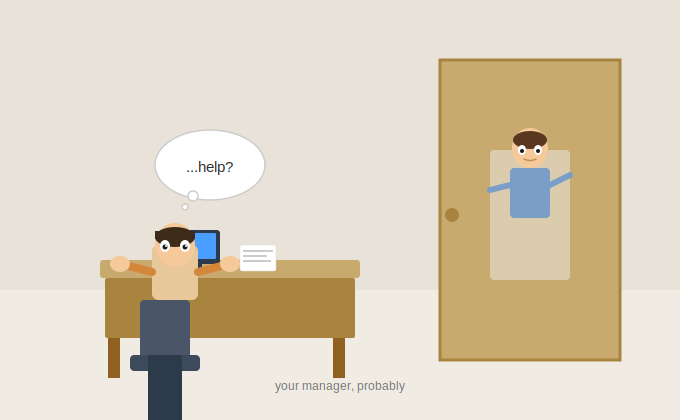
Researchers have documented this for decades. We are neurologically designed to pick up and mirror the emotional states of the people around us. A manager who walks into a room stressed changes the room. A leader who projects calm steadies the team. A culture that celebrates small wins creates people who want to win.
This is why emotional contagion in the workplace isn’t a soft skill topic — it’s a performance driver.
The Knicks Moment That Made It Click
What happened to me watching that game wasn’t random. I was surrounded — through a screen, through social media, through conversations with people I care about — by genuine collective energy. New York had caught a feeling. And I caught it too.
That’s exactly how it works in your organization.
Your employees don’t experience work in a vacuum. They absorb the energy of their managers, their teammates, the culture on a Monday morning, the way a meeting gets started, the tone of an all-hands email. They catch moods the same way they catch colds — whether they want to or not.
3 Ways Emotional Contagion Shows Up in the Workplace
- Leadership tone sets the baseline. When leaders walk in depleted, distracted, or disconnected — the team feels it before a single word is spoken. Conversely, a leader who is grounded and present gives the whole room permission to be the same.
- Stress spreads faster than enthusiasm. Negative emotional contagion tends to travel faster and hit harder than positive. A panicked manager creates a panicked team. This is why emotional self-regulation is one of the highest-leverage leadership skills you can develop.
- Culture is contagious, not just climate. The day-to-day mood of a workplace is different from its culture — but culture shapes what emotions are “acceptable” to express, which in turn shapes what employees actually feel and perform.
What You Can Do About It
The good news is that emotional contagion is not just something that happens to you — it’s something you can lead with intention.
- Start meetings with presence, not urgency. Two minutes of grounded opening changes the room.
- Name the energy in the room. Acknowledging that a team is stressed or depleted creates connection rather than pretending it isn’t there.
- Model the emotion you want to spread. You can’t manufacture authentic enthusiasm — but you can invest in the things that genuinely energize you and bring that in the door.
- Build EAP and wellness resources into the rhythm of work, not just as a crisis response. Employees who feel supported regulate better — and regulated people are far less likely to spread panic.
You don’t always choose the energy you catch. But as a leader, you absolutely choose the energy you put into the room.
The Bottom Line
I became a Knicks fan because I got caught up in something bigger than myself — a city, a moment, a collective feeling that was impossible to ignore.
That’s exactly what great workplace culture feels like to the people inside it.
The question isn’t whether your employees are catching emotions from their environment. They are. The question is: what are they catching from you?
About the Author
Wendy Wollner is the Founder & CEO of Balancing Life’s Issues (BLI), a national workforce education and human development company with 30+ years of experience delivering training across 500+ topics to EAP providers, HR leaders, and employers. BLI partners with organizations to support employees from hire to retirement.